Blessed: A Playful Typeface for Projects That Need Warmth
There's a certain magic in typography that feels approachable—letters that don't just sit on a page but actually welcome the reader in. If you've ever scrolled through a hundred fonts searching for something that feels genuinely friendly without sacrificing personality, you know the frustration. Too many display fonts try too hard, ending up either sterile or cartoonish. What you really need is something that strikes a balance: bold enough to command attention, warm enough to feel human, and versatile enough to work across different creative contexts.
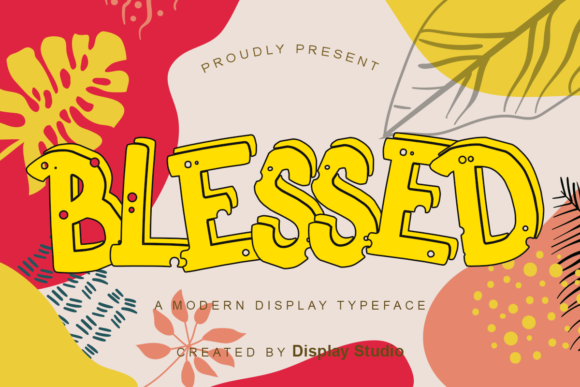
That's exactly where Blessed fits into the conversation. This unique, creative display font carries a playful energy that feels immediately familiar—like a hand-drawn letter from a friend or the title card of your favorite childhood storybook. Its characters are rounded, bold, and deliberately cheerful, which makes it an exceptional choice for anyone working on children's projects, educational materials, back-to-school campaigns, game covers, or any design that benefits from a lighthearted touch.
Why Font Personality Matters More Than You Think
Before diving into specific applications, it's worth understanding why a font like Blessed resonates so strongly with audiences. Typography isn't just about legibility—it's about emotional signaling. The moment someone sees a headline set in a particular typeface, their brain starts forming impressions about the brand, the product, or the message behind it. A sharp geometric sans serif says "corporate efficiency." A flowing script font whispers "elegance and intimacy." And a bold, rounded display font like Blessed says "come closer, this is going to be fun."
For designers, small business owners, and content creators, this emotional shorthand is invaluable. You're not always going to have five paragraphs of copy to explain your brand's personality. Sometimes you have a logo, a product label, or a social media post—and the font does most of the talking. Choosing a typeface that aligns with your project's goals isn't a minor aesthetic decision. It's a branding decision.
Where Blessed Truly Shines: Real-World Applications
The beauty of a creative font like this is its range. You might assume a playful display font only works for children's book covers, and while it certainly excels there, its applications stretch much further than most people expect.
Branding and Logo Design stand out as natural fits. If you're building a brand identity for a toy company, a kids' clothing line, a daycare center, or even a family-friendly bakery, Blessed gives your logo an instant sense of warmth and approachability. The bold weight ensures your wordmark holds its own at any size, while the friendly letterforms prevent it from feeling aggressive or overly corporate.
Packaging design is another area where this typeface earns its place. Think about standing in a store aisle—products aimed at families, children, or playful audiences need packaging that pops visually while also feeling trustworthy. A premium font with this kind of personality can elevate a simple label into something that genuinely connects with shoppers.
Social media graphics demand fonts that grab attention in split seconds as users scroll through crowded feeds. Blessed works beautifully for Instagram posts, Pinterest pins, YouTube thumbnails, and Facebook ads—particularly for creators in parenting, education, crafting, or lifestyle niches. The bold characters read well even at smaller sizes, and the friendly aesthetic encourages engagement rather than scroll-past behavior.
For websites and blogs, the font works best as a headline or accent typeface rather than body text. Pair it with a clean sans serif for paragraphs, and you've got a visual hierarchy that feels both professional and inviting. This approach works particularly well for bloggers covering topics like family travel, homeschooling resources, recipe blogs aimed at cooking with kids, or creative hobby content.
Don't overlook print materials and merchandise either. Posters for school events, birthday invitations, t-shirt designs, tote bags, stickers, and greeting cards all benefit from a typeface that feels handmade yet polished. There's a reason crafters and hobbyists gravitate toward display fonts with this character—they translate beautifully to physical products.
Pairing Blessed With Other Fonts
One of the most practical skills in typography is knowing how to combine typefaces. A display font rarely works in isolation—you need supporting fonts for body copy, captions, and secondary information. The key principle is contrast without conflict.
Since Blessed is bold and playful, pair it with something quieter for longer text. A simple sans serif like Open Sans, Lato, or Nunito creates a clean foundation that lets the display font take center stage. If you want a slightly warmer feel for body text, consider a humanist sans serif that shares just enough friendliness to complement without competing.
Avoid pairing it with other highly decorative or handwritten fonts—that creates visual chaos rather than contrast. Think of your font pairing like a conversation: one voice leads, the other supports. Blessed leads. Your secondary typeface supports.
Always test your pairings in context. A combination that looks elegant in a font preview tool might feel cluttered on an actual product label or website header. Mock up real scenarios before committing.
Readability Considerations for Every Medium
Every creative font comes with trade-offs, and being honest about them helps you make smarter design decisions. Blessed is a display typeface, which means it's engineered for impact at larger sizes—headlines, titles, logos, and short phrases. It's not designed for paragraphs of running text, and using it that way would compromise readability.
For digital applications, pay attention to how the font renders on different screen sizes. Bold, rounded characters generally perform well on mobile devices because they maintain their shape even at reduced resolutions. Still, test across multiple devices before launching a website or app that relies heavily on this typography.
For print, the font's bold weight reproduces cleanly on most paper stocks. However, if you're printing at very small sizes—say, below 14pt on textured paper—consider switching to your secondary typeface for those elements. Readability should always take priority over aesthetic preference, especially when your audience includes young readers or parents quickly scanning information.
Understanding What You're Getting
Before purchasing any commercial font, review exactly what's included. Most premium fonts come with multiple styles, character sets, and licensing terms. Check whether the package includes uppercase and lowercase letters, numerals, punctuation, and multilingual support. Some creative fonts also include alternates, ligatures, or decorative extras that expand your design possibilities significantly.
Licensing matters just as much as the design itself. If you're creating materials for commercial use—selling products, designing for clients, or producing marketing assets—make sure the font license covers those applications. A font that's perfect aesthetically but legally restricted for commercial projects creates unnecessary headaches down the road. Read the terms carefully, especially if you plan to use the typeface across multiple brands or client accounts.
Making Typography Work for Your Brand
Visual consistency is one of the most underrated aspects of building a recognizable brand. When your typography stays consistent across your logo, website, packaging, social media, and print materials, audiences begin to recognize you before they even read your name. That kind of instant recognition is what separates memorable brands from forgettable ones.
A distinctive display font contributes directly to this consistency. By using Blessed as your primary headline typeface across all touchpoints, you create a visual thread that ties everything together. Customers scrolling through Instagram see the same energy they encounter on your product packaging. Website visitors feel the same warmth they experienced on your printed flyers. That cohesion builds trust, and trust drives engagement.
The best typography decisions happen when you stop thinking about fonts as decoration and start treating them as communication tools. Every letter carries meaning beyond its shape—it carries tone, intention, and personality. Choose fonts that tell your story honestly, and your audience will listen.