Oldbitz: Bringing Back the Golden Age of Pixels with Style
Remember the satisfying clack of arcade buttons and the hypnotic glow of pixelated heroes on a CRT screen? That distinct visual language—a blend of chunky geometry, bold outlines, and unapologetic digital charm—is making a massive comeback in modern design. If you've been searching for a typeface that captures that authentic retro arcade energy without feeling dated or gimmicky, your search might just end with Oldbitz. This isn't just another pixel font; it's a carefully crafted display typeface that fuses the nostalgia of 8-bit gaming with the structured elegance of vintage gothic letterforms, offering a unique tool for designers and creators who want their work to have real personality.
More Than Just Pixels: The Unique Visual Appeal of Oldbitz
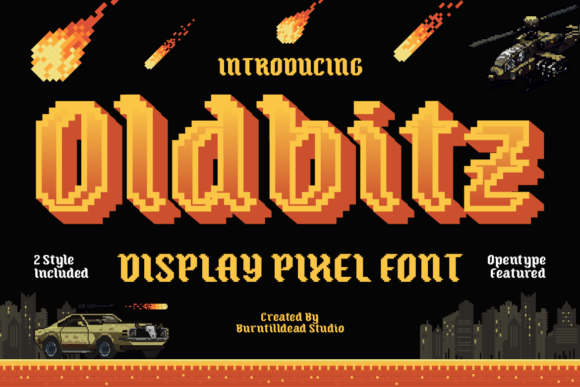
What sets Oldbitz apart from the sea of retro-inspired fonts is its thoughtful construction. It doesn't simply mimic the low-resolution limitations of old hardware. Instead, it uses chunky, deliberate pixel strokes to build letterforms that feel substantial and modern. The subtle gothic influence adds an unexpected layer of sophistication, giving it a versatility that pure arcade fonts often lack. You get the fun, nostalgic vibe without sacrificing clarity or visual weight. This makes it a standout choice for projects where you need a headline to grab attention instantly but also hold it with a sense of crafted quality.
The font comes in two distinct styles, each serving a different creative purpose. The Regular style is clean, strong, and incredibly direct. It’s perfect for straightforward titles, impactful logos, and any application where you want the retro feel to be confident and uncluttered. Think of it as the reliable hero character—bold and immediately recognizable. The Shadow style, however, is where the arcade magic really shines. It introduces a playful, retro 3D punch that evokes the feeling of classic game title screens and vintage poster art. This style is ideal for designs that crave extra dimension and a stronger dose of nostalgic fun.
Practical Applications: Where Oldbitz Truly Shines
Theory is one thing, but seeing a font in action is what really matters. Oldbitz’s unique personality makes it surprisingly adaptable across a wide range of creative and commercial projects. Its strength lies in headlines, logos, and short bursts of text where its character can be fully appreciated.
- Branding & Logo Design: For businesses in gaming, tech, retro entertainment, or even craft breweries and indie apparel brands, Oldbitz can form the core of a memorable visual identity. It instantly communicates a specific aesthetic—think of a logo for a retro gaming cafe or a boutique electronics shop.
- Packaging & Merchandise: Imagine this font on the label of a specialty soda, the sleeve of a vinyl record, or the hang tag on a limited-edition t-shirt. It adds a tactile, nostalgic quality that connects with consumers on an emotional level.
- Posters & Editorial Design: Whether for a music festival, a gaming convention, or a magazine feature on vintage tech, Oldbitz commands the page. Its bold structure ensures readability from a distance, making it perfect for event posters and attention-grabbing editorial spreads.
- Digital Presence: Use it for website hero sections, blog post titles, or standout social media graphics. A well-placed Oldbitz headline can make a YouTube thumbnail, Instagram story, or podcast cover scroll-stoppingly effective. It’s a fantastic way to add visual consistency to your digital brand assets.
Pairing and Readability: Making It Work in Your Layouts
As with any powerful display font, the key to using Oldbitz effectively is context and pairing. Because it has such a strong personality, it’s rarely the best choice for long paragraphs of body text. Its role is to attract and headline.
For maximum impact and readability, pair Oldbitz with a clean, neutral sans-serif font like Open Sans, Lato, or even a simple serif for more formal projects. This creates a visual hierarchy that guides the viewer’s eye. The Oldbitz headline grabs attention, and the supporting text delivers the detailed information without causing visual fatigue. Always test your pairings at the actual sizes they’ll be used. Check how the chunky pixels of Oldbitz interact with the smoother curves of your body font—contrast here is usually a good thing.
Consider the two styles as different tools. The Regular style might work better for a more sophisticated, streamlined brand that nods to retro aesthetics. The Shadow style is your go-to for projects that are explicitly playful, nostalgic, and aimed at evoking a sense of fun and adventure. Review the included character set to ensure it has the punctuation and symbols your project requires.
A Valuable Asset for Your Creative Toolkit
Investing in a premium font like Oldbitz is about more than just accessing cool glyphs; it’s about adding a professional, unique asset to your design toolkit. A well-chosen typeface can significantly improve brand recognition, lend a professional presentation to your work, and increase audience engagement by resonating with their sense of nostalgia and style.
When selecting a commercial font, always take a moment to review the licensing terms. Ensure they cover your intended use, whether it’s for a personal blog, client work, merchandise for sale, or digital products. Understanding the license protects you and supports the type designers who create these valuable resources.
In a digital landscape saturated with generic templates and overused fonts, choosing a character-rich typeface like Oldbitz is a statement. It shows a commitment to detail and a willingness to craft a distinct visual voice. So, if your next project is calling for a dose of retro charm, bold presence, and pixel-perfect personality, it might be time to let Oldbitz take the lead and bring back the pixels, and the fun, to your designs.