Water Drop Font: A Bold Statement for Modern Design
There's a moment in every design project where you realize the typeface you've been using just isn't cutting it. Maybe it's too generic, too quiet, or doesn't capture the energy you're going for. That's where a display font like Water Drop enters the conversation. It's not trying to be everything to everyone—it's unapologetically bold, visually striking, and built for projects that demand attention without sacrificing personality.
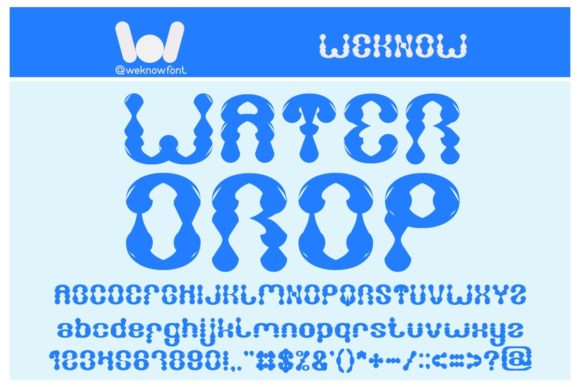
At first glance, Water Drop reads as a modern display typeface with rounded, fluid letterforms that feel both contemporary and approachable. The name itself hints at its character: there's something organic and dynamic about its curves, a sense of movement that static fonts often lack. But don't let the playful name fool you. This is a serious design asset with real versatility across commercial and creative applications.
Where Bold Typography Meets Real-World Projects
If you've ever struggled to find a font that works equally well on a concert poster and a product label, you're not alone. Many typefaces excel in one context but fall flat in another. Water Drop manages to bridge that gap because of its visual weight and clarity at larger sizes. It's a premium font designed for headlines, logos, and display use—places where you need text to command the room.
Think about the last time a movie title caught your eye on a streaming platform, or a magazine cover made you pick it up from the rack. Chances are, the typography played a significant role. Water Drop fits naturally into those high-impact scenarios. Its thick strokes and distinctive letter shapes give it the presence needed for:
- Music album covers where you want the artist's name to feel iconic
- Game interfaces and title screens that need energy and modern appeal
- Event posters where readability from a distance matters
- YouTube thumbnails and social media graphics competing for scroll-stopping power
The font doesn't whisper—it speaks clearly. And in a landscape saturated with content, that kind of visual confidence is worth its weight in gold.
Building a Brand Identity That People Remember
For small business owners and entrepreneurs, choosing a typeface for your brand identity can feel overwhelming. You want something that looks professional but also feels unique enough to stand apart from competitors. Water Drop offers a middle ground that's hard to find: it's distinctive without being gimmicky.
Consider a streetwear brand launching its first collection. The logo needs to look sharp on hang tags, embroidered on hats, and printed across the chest of a hoodie. A script font might feel too delicate. A standard sans serif could blend in with everything else on the shelf. Water Drop, with its bold, rounded character, gives that brand a voice—something customers start to associate with the label itself.
The same principle applies to food and beverage packaging, cosmetics, and lifestyle brands. When your typography is consistent across every touchpoint—from your website header to your shipping boxes—customers start to recognize you before they even read the words. That's the power of visual consistency, and it's exactly what a well-chosen display font contributes to.
Practical Tips for Working With Display Fonts
Here's something many people overlook: a bold display font like Water Drop works best when you pair it thoughtfully. Slapping it next to another heavy typeface creates visual clutter. Instead, consider these practical approaches:
- Pair it with a clean sans serif for body text. Fonts like Open Sans, Lato, or Montserrat complement Water Drop's personality without competing for attention. This combination keeps your layouts balanced and readable.
- Use it sparingly for maximum impact. Display fonts shine in headlines, subheadings, and callouts. If you set an entire paragraph in Water Drop, you'll likely overwhelm your reader. Let it do what it does best—grab attention at key moments.
- Test at multiple sizes before committing. What looks incredible at 72pt on your monitor might lose some detail at 24pt on a printed flyer. Always preview your typeface in the actual context where it will appear.
- Check the full character set. Before finalizing any font for a project, review the included glyphs. Does it have the punctuation you need? What about numerals and special characters? Water Drop includes a solid range of symbols, but it's worth verifying against your specific requirements.
One more thing that often gets missed: licensing. If you're using a font for a commercial project—whether it's a client's logo, merchandise you plan to sell, or marketing materials for your business—make sure the license covers that use. Most premium fonts come with clear commercial licensing terms, but it's your responsibility to read and understand them. This protects both you and your clients down the road.
Digital and Print Applications Worth Exploring
The beauty of a versatile display typeface is that it travels well across mediums. Water Drop isn't limited to one type of project. Designers have used it successfully in:
- Website hero sections where a bold headline sets the tone for the entire user experience
- Blog post titles that need to stand out in a crowded RSS feed or newsletter
- Wedding invitations and event stationery for a modern, stylish aesthetic
- Apparel design, especially for streetwear, athletic brands, and youth-oriented fashion
- Editorial layouts in magazines and lookbooks where typography drives the visual narrative
- Digital product packaging like e-book covers, online course branding, and downloadable templates
For content creators specifically, having a go-to display font in your toolkit saves time and keeps your brand looking cohesive. Whether you're designing Instagram Stories, Pinterest pins, or podcast cover art, consistent typography signals professionalism. Your audience might not consciously notice the font, but they'll feel the difference between a polished brand and one that looks thrown together.
Making Typography Work Harder for Your Projects
Here's a perspective shift worth considering: your font choice isn't just an aesthetic decision—it's a strategic one. The right typeface communicates tone, attracts your target audience, and reinforces the message behind your content. A playful, rounded display font like Water Drop suggests creativity, approachability, and modern energy. That's a very different signal than a rigid geometric sans serif or a traditional serif typeface.
Before selecting any font, ask yourself three questions. What emotion should this project evoke? Who is the audience, and what visual language do they respond to? And where will this typography appear most often? The answers will guide you toward the right style—whether that's a display font, a handwritten font, a serif font, or something else entirely.
Water Drop earns its place in the conversation when your project calls for boldness with personality. It's not the font for a legal contract or a medical brochure. But for a brand that wants to feel fresh, energetic, and unmistakably modern? It delivers exactly what you need.
The best design decisions come from understanding your tools and knowing when to use them. A creative font is only as effective as the strategy behind it. Take the time to test, pair, and refine—and you'll find that typography becomes one of the most powerful assets in your entire design toolkit.