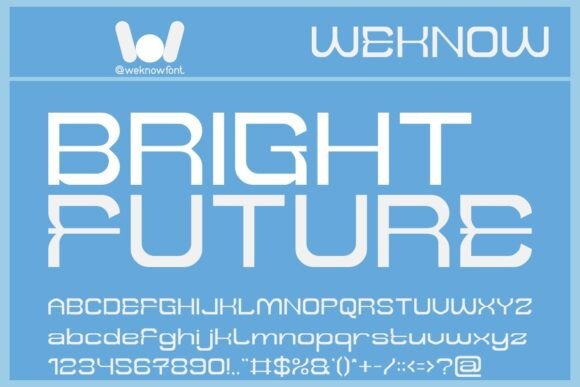
Capiz Fuzil: The Sharp, Geometric Font for Modern Brands
There's a moment in every design project where the typeface either locks the whole vision in place or throws it completely off balance. You've seen it before—a sleek tech startup using a whimsical script font, or a luxury brand relying on a default system typeface that looks like it belongs on a tax form. The gap between a good idea and a polished final product often comes down to typography choices that actually match the energy of the work. If you're building something that needs to feel sharp, forward-thinking, and unmistakably modern, the font you choose carries more weight than most people realize.
Capiz Fuzil is a display typeface built around bold geometric forms and aggressive angles. Think of the kind of lettering you'd see on a cyberpunk movie poster, a competitive gaming title screen, or the branding package for a company that builds drones or autonomous vehicles. The shapes are clean but angular, the strokes have real weight to them, and every character carries a sense of motion and precision. It doesn't try to be friendly or approachable in the way a rounded sans serif does. Instead, it communicates speed, innovation, and confidence—qualities that resonate with audiences who gravitate toward cutting-edge design.
Where This Typeface Really Shines
Display fonts like Capiz Fuzil aren't meant for body copy or long paragraphs. That's not a limitation—it's actually what makes them so effective. Their job is to grab attention in headlines, logos, titles, and hero sections where a few words need to carry the entire visual message. When used in the right context, a geometric display font becomes the anchor that ties a whole brand system together.
For logo design, Capiz Fuzil offers a strong starting point. Its angular letterforms give logos a distinctive silhouette that reads well at various sizes, from a favicon to a billboard. A fitness brand, an esports team, or a fintech startup could each use this typeface and arrive at completely different visual identities simply by adjusting color palettes and layout compositions. The font does the heavy lifting of establishing a modern, tech-forward tone without requiring elaborate graphic elements to back it up.
In packaging design, especially for products targeting younger demographics—energy drinks, streetwear, gaming peripherals, or tech accessories—this kind of sharp typography immediately signals what the product is about. Consumers make snap judgments based on visual cues, and a bold geometric typeface on a label or box communicates innovation before anyone reads a single word of copy.
Social media graphics are another natural fit. Instagram stories, YouTube thumbnails, and TikTok overlays all demand type that reads instantly at small sizes and on busy backgrounds. Capiz Fuzil's high-contrast angles and thick strokes hold up well against photographs, gradients, and motion graphics. A content creator promoting a new course, a podcast episode, or a product drop can use this font to create a recognizable visual pattern that followers start associating with their brand over time.
Building a Cohesive Brand Identity
One of the most overlooked aspects of brand identity is typography consistency. Businesses often invest in logos and color schemes but treat fonts as an afterthought, switching between random typefaces across their website, email campaigns, print materials, and social posts. The result feels disjointed, and audiences pick up on that inconsistency even if they can't articulate what feels off.
Choosing a premium font like Capiz Fuzil as part of a defined type system solves a real operational problem. When everyone on your team—whether it's a freelance designer, a social media manager, or someone creating internal presentations—pulls from the same font family, the output stays cohesive. That consistency compounds over time into stronger brand recognition. People start to associate the visual style with the business itself, which is exactly how memorable brands are built.
For small business owners and entrepreneurs who handle much of their own design work, having a commercial font with clear licensing terms removes a layer of stress. Before purchasing any typeface, it's worth reviewing whether the license covers your intended use—desktop, web, merchandise, or digital products. Most quality font foundries spell this out clearly, and investing in proper licensing protects you legally while supporting the designers who create these tools.
Pairing Capiz Fuzil With Other Typefaces
A display font rarely works in isolation. The real power comes from how you pair it with supporting typefaces that handle the less glamorous work—paragraphs, captions, navigation labels, and fine print. Capiz Fuzil's angular, geometric personality pairs well with clean sans serif fonts for body text. Something like a neutral grotesque or a humanist sans serif provides enough contrast to create a clear visual hierarchy without competing for attention.
Avoid pairing it with another display font or an overly decorative script font, as the combination will feel chaotic rather than intentional. The goal is to let the headline typeface do its job while the supporting text stays readable and unobtrusive. If you're working on an editorial design project—say, a magazine layout or a digital lookbook—try setting feature headlines in Capiz Fuzil at a large size with generous letter spacing, then switch to a simple serif font or sans serif for pull quotes and body paragraphs.
Testing your font pairing in context matters more than anything you'll read in a typography guide. Set real content, not lorem ipsum. View it on the actual platform where it will live—on a phone screen, in a printed brochure, inside an email template. Adjust sizes, weights, and spacing until the hierarchy feels natural. Typography is as much about feel as it is about rules.
Practical Applications Across Industries
The versatility of a geometric display typeface extends well beyond the obvious tech and gaming applications. Consider how it could work in these scenarios:
- Web design: Hero section headlines, landing page call-to-action buttons, and navigation accents benefit from the visual punch of a bold, angular font.
- Print materials: Event posters, conference badges, business cards, and trade show banners all need type that commands attention from a distance.
- Merchandise: T-shirts, hats, stickers, and tote bags with strong typographic design sell better when the lettering has genuine visual character.
- Digital products: E-book covers, online course branding, app interfaces, and presentation templates all gain credibility from intentional typography choices.
- Invitations and event branding: Product launches, gallery openings, and music events benefit from a futuristic aesthetic that sets expectations before guests arrive.
- Marketing assets: Email headers, ad creatives, banner ads, and pitch decks become more compelling when the typography matches the ambition of the message.
In every one of these cases, the font isn't just decoration—it's a functional part of how your audience processes and remembers the information you're presenting.
Making Smart Typography Decisions
Choosing the right typeface starts with understanding the personality of your project. A modern typeface with geometric forms and sharp angles tells a very different story than a soft, rounded handwritten font. Neither is inherently better—they simply speak to different audiences and serve different purposes. Before you commit to any font, ask yourself what three words you'd use to describe the feeling your design should evoke. If those words lean toward futuristic, bold, or high-tech, a font like Capiz Fuzil is worth exploring.
Readability always deserves attention, even with display fonts that aren't meant for extended reading. Make sure your headlines are large enough to read comfortably, that there's enough contrast between the text and its background, and that you're not stacking multiple angular typefaces on top of each other. A single strong display font paired with a quiet, readable body typeface almost always produces better results than trying to make everything look equally dramatic.
Take the time to explore what's included with the font family. Many creative fonts come with multiple weights, stylistic alternates, or special character sets that give you more flexibility without needing additional typefaces. Understanding what's in your toolkit before you start designing saves time and leads to more intentional results.
The best typography decisions come from experimentation combined with a clear understanding of what you're trying to communicate. Set your headlines, check the spacing, test the pairings, and trust your eye. When a font clicks with a project, you'll know it—and so will your audience.