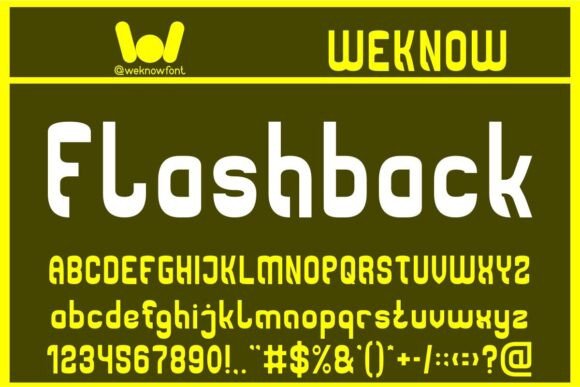
Flashback: The Whimsical Display Font with a Modern Edge
Every designer knows the moment: you're staring at a blank canvas, a new brand brief in hand, and you need a typeface that doesn't just sit there—it needs to speak. It needs personality, a story, a certain spark that catches the eye and holds it. This is where many projects find their voice, moving from generic to genuinely memorable. The choice of typography is often the silent hero of a successful visual identity, the element that ties all the other pieces together into a cohesive and compelling whole.
A Typeface That Balances Fun and Function
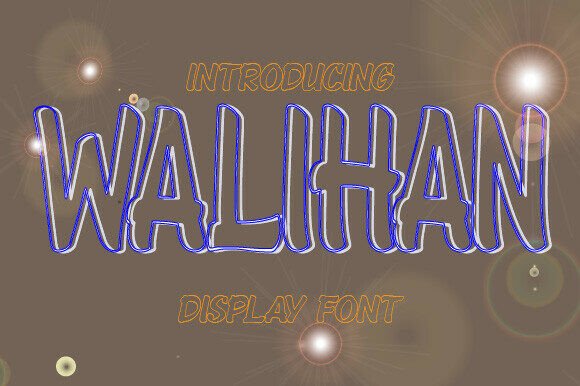
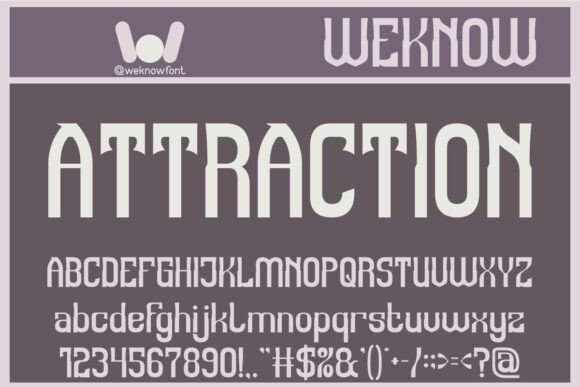
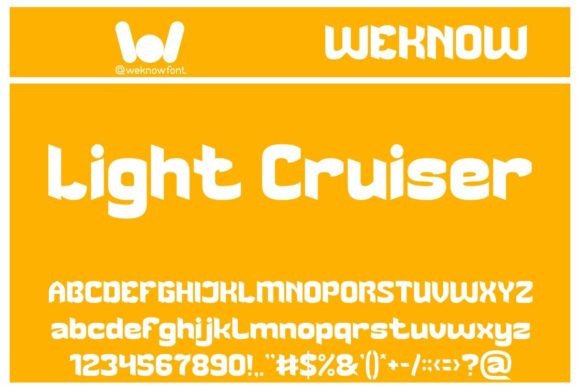
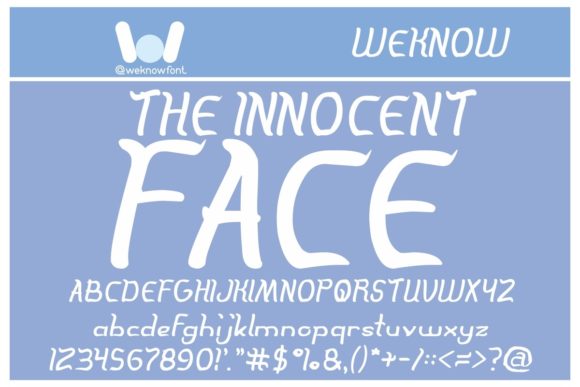
Imagine a font that feels like a throwback but looks entirely fresh. That's the core appeal of this particular display typeface. It's crafted with a whimsical twist, blending fanciful letterforms with a surprisingly basic, approachable structure. The result is a style that's playful yet refined, eclectic yet unique. It doesn't scream for attention with unnecessary frills; instead, it draws you in with its confident, dynamic character. This balance makes it an incredibly versatile tool. It has the vivacity to electrify a headline but the clarity to function effectively in a well-considered logo. Think of it as the typographic equivalent of a perfectly tailored jacket with a surprising, colorful lining—it presents a professional front while revealing a creative spirit underneath.
From Logos to Labels: Building a Brand with Character
For small business owners and entrepreneurs, establishing a distinct brand identity is paramount. Your logo is often the first handshake with your audience, and the font you choose sets the entire tone. A typeface with this kind of personality can mimic a custom logotype, immediately elevating a corporate or brand identity from the mundane to the remarkable. It suggests creativity, confidence, and a willingness to stand out.
Consider its application beyond the logo itself. In packaging design, this font can make a product leap off the shelf. A craft brewery, a boutique candle maker, or a specialty food brand could use it to communicate artisanal quality and fun. On apparel, it transforms a simple t-shirt or tote bag into a statement piece. The key is using its bold character strategically. A full paragraph set in a vibrant display font can be overwhelming, but using it for a product name, a tagline, or a key feature on packaging creates a powerful focal point that guides the customer's eye.
Capturing Attention in the Digital Arena
In the fast-scrolling world of social media and digital content, grabbing attention is a millisecond game. This is where a dynamic style truly takes center stage. For a YouTube channel, using this font in video thumbnails and title cards creates instant visual consistency, making your content recognizable in a crowded feed. On Instagram, it can transform a standard quote graphic or announcement into a piece of stop-scrolling content. Its fanciful nature adds a touch of fun that's perfect for lifestyle, entertainment, or creative tutorial channels.
When applied to web design, the same principles of strategic use apply. It's rarely the best choice for body text, but as a hero headline on a landing page, for section titles in a blog layout, or as the font for a call-to-action button, it injects energy and personality. It tells visitors that the brand behind the website has a vibrant identity. Pairing it with a clean, neutral sans-serif font for body copy is a classic and effective strategy. This contrast ensures readability for longer text while allowing the display font to shine in its intended role as a headline act.
Practical Advice for Seamless Integration
Adopting a new creative asset like a font involves more than just liking its look. Here are a few practical considerations to ensure it works hard for you:
- Test Your Pairings: Before committing, mock up your designs with the font paired against different body fonts. A simple serif or sans-serif is usually the best companion. Does the combination feel harmonious or chaotic?
- Review All the Styles: A quality premium font often comes with more than just uppercase and lowercase letters. Check for alternates, ligatures, or stylistic sets. These features can add another layer of uniqueness to your designs, allowing you to customize the look for different applications.
- Mind the Readability: Its strength is in display settings. Use it for short, impactful text. For anything longer than a sentence or two, switch to a more readable typeface. The goal is to be eye-catching, not eye-straining.
- Understand the License: If you're using the font for commercial projects—for a client, for merchandise, or for your business—ensure you have the correct commercial license. This protects you legally and supports the type designers who created the asset.
Powering Creativity Across Every Medium
The true test of a versatile design asset is its range. This font doesn't confine itself to one niche. It's the quintessential pick for an unforgettable book cover design, where it can transport readers to a world of imagination before they even read the first page. It's equally at home electrifying the graphics for a movie poster, a music album cover, or the title sequence for a video game. For editorial designers, it can bring a dynamic energy to magazine layouts and feature headlines.
Even for hobbyists and crafters, its value is clear. It can add a professional and playful touch to invitation designs, personal blogs, digital planners, or printables. The underlying message is one of creative empowerment. By choosing a font with such a strong and adaptable personality, you're not just selecting letters; you're choosing a voice. You're equipping yourself with a design asset that can help improve visual consistency, strengthen brand recognition, and foster greater audience engagement. It’s ready to power your next project and help set your work apart in a visually saturated world.