Grumphy Dumphy: The 90's Pixel Font for Instant Retro Charm
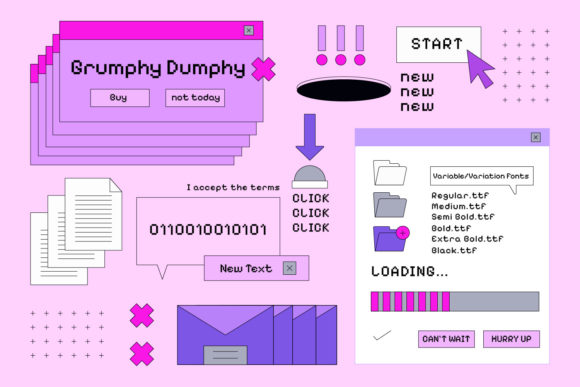
There’s a distinct feeling you get when you see an old video game console or the opening credits of a 90s cartoon. It’s a mix of nostalgia and bold, unapologetic style. If you’re a designer, entrepreneur, or content creator trying to bottle that energy for a modern project, your typography choice is everything. This is where a specific kind of typeface shines, one that doesn’t just reference the past but embodies its visual language. Enter Grumphy Dumphy, a 90's pixel display font built for exactly this purpose. It’s not just a collection of jagged edges; it’s a direct conduit to an era defined by arcade cabinets, early web graphics, and vibrant, low-resolution charm.
More Than Just Nostalgia: The Practical Appeal of Pixel Typography
At first glance, a pixel font like Grumphy Dumphy might seem like a novelty. But its value runs deeper than a simple throwback aesthetic. In a design landscape saturated with clean sans-serifs and elegant serifs, a deliberate pixel display font cuts through the noise. It makes an immediate, unmistakable statement. For a brand, this translates to instant recognition. Think of a tech startup focusing on retro gaming or a craft brewery with a playful, nostalgic brand identity—the right typeface does half the branding work before a customer even reads the copy.
The practical applications are vast. Imagine packaging for a line of artisanal hot sauces that wants to evoke arcade game energy, or social media graphics for a podcast about 90s pop culture. Grumphy Dumphy brings that specific, textured vibe that a standard sans serif font simply cannot replicate. It’s a powerful tool in your design assets toolkit for projects that demand personality over polish. The key is understanding its role: this is a headline font, a hero font, a tool for impact, not body text.
Matching Font Personality to Your Project's Goals
Choosing a font is a branding decision. Grumphy Dumphy’s personality is playful, bold, nostalgic, and slightly rebellious. It communicates fun, innovation (in a retro-tech way), and a connection to digital history. Therefore, it pairs exceptionally well with projects aiming to engage an audience that appreciates that specific cultural memory. This could be for:
- Logo Design & Brand Identity: For a gaming lounge, a retro-themed event, or a digital product that gamifies tasks. A logo set in this font immediately tells your audience what you’re about.
- Marketing Assets & Social Media Graphics: Creating Instagram posts, Facebook ads, or TikTok graphics for a product launch with a “throwback” theme. The font ensures your visuals are cohesive and on-brand across all platforms.
- Merchandise & Invitations: Designing t-shirts, stickers, or party invitations for a 90s-themed bash or a gaming tournament. The typography becomes part of the product’s appeal.
- Web Design & Blogs: Using it sparingly for key headings on a website or blog to create visual interest and establish a strong thematic tone, especially for sites covering gaming, retro tech, or vintage pop culture.
The goal is alignment. Your typography should be a visual synonym for your brand’s voice. If your brand is serious, corporate, and minimalist, Grumphy Dumphy is likely the wrong choice. But if your brand is energetic, creative, and steeped in digital culture, it could be the perfect match.
Practical Advice for Implementation and Pairing
Using a strong display font effectively requires some strategy. Here’s how to get the most out of a typeface like Grumphy Dumphy without overwhelming your design.
Readability is Paramount. Pixel fonts, by their nature, can be challenging to read at small sizes or in long paragraphs. Use Grumphy Dumphy for headlines, subheadings, buttons, and short, punchy text. For body copy, always pair it with a highly legible serif font or sans serif font. A clean sans serif like Open Sans or a classic serif like Georgia can provide excellent contrast, ensuring your message is communicated clearly while your display font handles the visual impact.
Test Your Font Pairings. Before committing, create mockups. Place your headline in Grumphy Dumphy and your body text in a potential partner font. How does the hierarchy feel? Is there enough contrast? Does the combination feel balanced or chaotic? This testing phase is crucial for professional presentation. The interplay between a textured pixel font and a smooth, modern typeface can be incredibly dynamic when done right.
Review the Included Styles. A quality premium font often comes with more than one weight or style. Check if Grumphy Dumphy includes variations like bold, outline, or shadow versions. These can give you more creative flexibility within a single project, allowing you to maintain visual consistency while adding subtle differentiation between different levels of text.
Consider Commercial Licensing. If you’re using the font for client work, merchandise for sale, or any commercial project, you must ensure you have the correct license. This is a non-negotiable part of using commercial fonts. Reputable font foundries and marketplaces are clear about licensing terms, so always verify that your license covers your intended use, whether it’s for a single logo or a full branding suite.
Elevating Your Visual Communication with a Distinct Voice
In the end, typography is about communication. Grumphy Dumphy offers a very specific voice—one that speaks of childhood afternoons spent at the arcade, the glow of a CRT monitor, and the simple, compelling graphics of early digital worlds. For the right project, this voice is invaluable. It can transform a simple poster into an event poster that demands attention, turn a standard website header into a memorable brand statement, and make social media graphics pop in a crowded feed.
The power of a creative font like this lies in its ability to evoke an emotion and an era instantly. It’s a shortcut to a feeling. By applying it thoughtfully—respecting its strengths in display use and pairing it wisely for readability—you can harness that nostalgic power to build stronger brand recognition and foster deeper audience engagement. It’s not just about going back in time; it’s about using the visual language of the past to create something fresh, compelling, and unmistakably yours in the present.