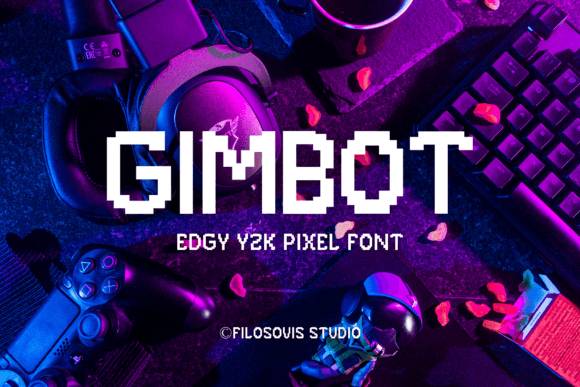
Gimbot: The Pixel-Perfect Font for Modern Digital Creatives
There’s a distinct energy that comes from working with pixels. Whether you’re building a retro-inspired game, designing an NFT collection, or crafting a poster that demands attention, that grid-based aesthetic carries a certain nostalgia and clarity. It’s a style that feels both intentional and playful, a visual language that immediately signals a specific kind of creative vision. Finding a typeface that honors that pixelated tradition while still feeling fresh and usable in contemporary projects can be a real challenge. That’s where a dedicated display font like Gimbot enters the conversation, not as just another option, but as a specialized tool built for a specific creative frequency.
Understanding the Pixel-Style Aesthetic
Pixel art and design aren’t just about limitations; they’re about a philosophy of construction. Every element is deliberate, built from the smallest unit up. This approach creates a unique visual consistency that’s instantly recognizable. A font designed for this world needs to respect those same principles. It should feel native to the grid, with characters that are crafted at a pixel level to ensure they align perfectly and maintain their integrity whether scaled up for a poster or used at a standard size on a website.
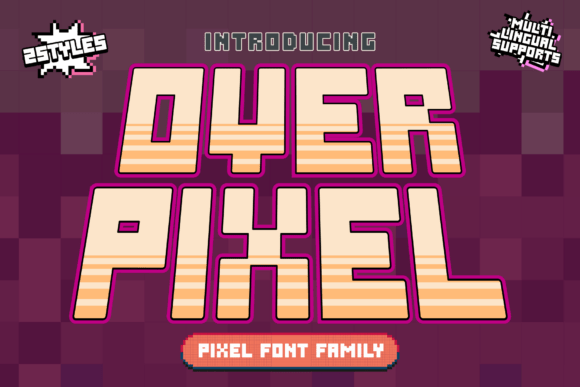
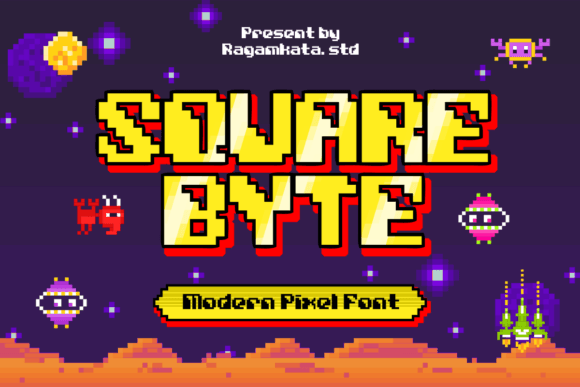
This is the core of what makes a typeface like Gimbot appealing for pixel-style projects. It’s not a standard sans serif that’s been roughly filtered to look retro. It’s a premium font whose letterforms are built from the ground up with pixel precision. This attention to detail means it avoids the common pitfalls of blurry edges or awkward spacing that can plague other fonts when used in digital or print applications that demand crisp lines. The result is a typeface that feels authentic to the 8-bit and 16-bit eras but is versatile enough for modern branding, logo design, and social media graphics.
Practical Applications Beyond the Game Screen
The immediate association for a pixel font might be video game interfaces or nostalgic merchandise. While Gimbot excels there, its utility extends much further into the realm of creative and commercial projects. Its structured, geometric nature makes it a surprisingly strong candidate for a variety of design assets where you need to inject personality without sacrificing readability.
Consider its use in logo design for a tech startup, a podcast about retro culture, or an indie game studio. The font provides an instant identity that’s memorable and full of character. For packaging design, especially for products like specialty coffee, craft beer, or artisanal snacks targeting a millennial or Gen Z audience, a pixel-style headline can create standout shelf appeal and communicate a brand that’s fun and detail-oriented.
In the digital space, it’s a natural fit for social media graphics. Think of eye-catching quotes, promotional banners for a new game launch, or announcements for a digital art drop. The font’s inherent boldness ensures your message cuts through the noise of a crowded feed. It can also bring a unique vibe to website design, particularly for hero sections, call-to-action buttons, or navigation menus on sites related to gaming, digital art, or creative technology. Even in editorial layouts or blog headers, a carefully used pixel font can add a layer of stylistic flair that engages readers and sets a distinct tone.
Matching Font to Project: A Practical Guide
Choosing the right font style from a family like Gimbot is about aligning the type’s personality with your project’s goal. A font family often includes multiple styles—regular, bold, condensed, maybe even a unique script or handwritten variant. Each serves a different purpose.
For a primary headline on a poster or a logo, you might opt for the boldest weight to ensure maximum impact and readability from a distance. For subheadlines or body text on a website, a lighter weight or the regular style would provide better readability in longer blocks. It’s crucial to test these pairings. Place your chosen headline font next to a potential body text font—a clean sans serif or even a simple serif—to see how they interact. Good font pairing creates hierarchy and guides the viewer’s eye naturally through your design.
Readability is paramount, even with a display font. Consider the context. A pixel-style font is perfect for short, impactful statements but may become tiring to read in lengthy paragraphs. Use it strategically for titles, labels, buttons, and key phrases where its character can shine without hindering comprehension. Always preview your design at the intended final size, whether that’s a mobile screen or a printed flyer.
Building a Cohesive Brand Identity
For entrepreneurs and small business owners, typography is a cornerstone of brand identity. The fonts you choose become part of your visual signature, helping with brand recognition across all touchpoints. A distinctive display font like Gimbot can serve as the headline font for your entire brand system, used consistently on your website, business cards, email newsletters, and product labels.
This consistency builds a professional presentation that tells customers you pay attention to detail. It creates a cohesive look that makes your marketing assets—from Instagram stories to PDF guides—feel unified and intentional. When selecting a commercial font for this purpose, always review the licensing. Ensure it covers your intended use cases, whether that’s digital products, printed materials, merchandise, or client work. A clear commercial license protects your investment and allows you to use the font confidently across all your projects.
The true value of a specialized typeface lies in its ability to communicate a specific idea instantly. For projects that tap into the world of pixel art, retro gaming, NFTs, or any creative endeavor that benefits from a structured, digital-native aesthetic, a font crafted for that purpose isn’t just an aesthetic choice—it’s a strategic one. It provides the visual vocabulary to express your core idea with clarity and style, helping your work stand out in a visually saturated world.