Myrant: Where Gothic Style Meets Futuristic Design
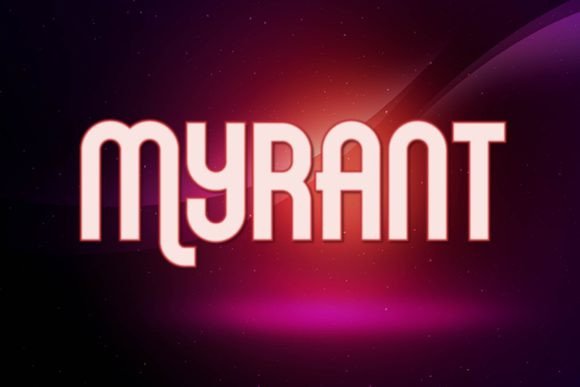
There's a specific challenge in design that comes up more often than you'd think: finding a font that feels both timeless and forward-looking. You need something with weight and presence, but not one that looks like it belongs in a historical documentary. You want modernity, but not the cold, sterile minimalism that can make a design feel impersonal. This is the exact space where the Myrant typeface operates, blending a Gothic-inspired silhouette with a sleek, techno quality to create a display font that’s as versatile as it is visually arresting.
At its core, Myrant is a stylish display font crafted for impact. With 96 carefully designed glyphs and 95 characters, it offers a complete toolkit for creating bold headlines and standout typographic elements. Its design philosophy marries the dramatic, pointed strokes of blackletter traditions with the clean, geometric lines of modern sans-serif fonts. The result is a typeface that commands attention without sacrificing readability—a crucial balance for any commercial font used in real-world applications. Whether you’re designing a movie title, naming a new video game, or creating a line of graphic tees, Myrant provides a foundation that is both distinctive and highly functional.
A Typeface for the Modern Storyteller
Think about the brands and projects that stick with you. Often, their visual identity has a clear personality. Myrant is for the storytellers who want their visuals to speak first. Its bold, modern aesthetic is perfect for projects that need to convey strength, innovation, or a touch of edgy sophistication. Consider a tech startup launching a new app; using Myrant for its logo and key marketing headlines immediately sets a tone of cutting-edge innovation. For a craft brewery, the same font on packaging and merchandise can evoke a sense of artisanal quality with a contemporary twist.
The practical applications span across nearly every creative field. For brand identity, a font like Myrant can become a cornerstone, helping to build instant recognition. Its unique character ensures your name won’t blend into a sea of generic sans-serifs. In logo design, its distinct letterforms can be customized and refined to create a truly unique mark. Beyond logos, it shines in packaging design, where shelf appeal is paramount, and on social media graphics, where stopping the scroll is the first hurdle. From the title sequence of an indie film to the header of a gaming blog, from event posters to album covers, Myrant’s versatility is its greatest strength.
Matching Font Personality to Project Goals
Choosing the right display font is less about personal taste and more about strategic alignment. The personality of the typeface must match the message you’re trying to send. A playful, handwritten font might work for a children’s brand but would undermine the authority of a financial consultant. Myrant’s personality is confident, technical, and slightly mysterious. It’s a font that suggests expertise and forward momentum.
Before you dive in, get clear on your project’s core goals. Ask yourself: What emotion should this design evoke? Who is the intended audience? Is the primary function to inform, to attract, or to entertain? For instance, if you’re designing an invitation for a corporate gala, you want a font that feels elegant and authoritative. Myrant’s clean lines could work well here, especially when set in a metallic foil. For a t-shirt line targeting gamers, its sharper edges and techno vibe would resonate perfectly. Always let the project’s objective guide your font selection, not the other way around.
Practical Steps for Implementation
Once you’ve decided a creative font like Myrant is a good fit, how do you ensure it works effectively within your broader design? Here are some actionable tips.
- Test Font Pairings: A display font rarely works in isolation. Myrant’s bold nature means it pairs best with simpler, more neutral typefaces for body text. Try combining it with a clean sans serif font for web copy or a classic serif font for editorial layouts. The contrast will make your headlines pop while keeping the overall design balanced and readable.
- Prioritize Readability: Even the most beautiful font fails if it can’t be read. Test Myrant at the actual size it will be used. For a website banner, ensure the letters don’t blur together on mobile screens. For print materials like posters, check that it’s legible from a typical viewing distance. Its 95 characters provide good flexibility, but always proof your work.
- Explore Included Styles: Get familiar with the full character set. Sometimes, the perfect solution is a stylistic alternate or a unique glyph you haven’t noticed yet. This exploration can add a custom feel to your designs without additional cost.
- Understand Licensing: For any premium font intended for commercial use, licensing is non-negotiable. Ensure you have the correct license for your project, whether it’s for a single client, a product line, or a website. This protects you legally and supports the type designers who create these valuable design assets.
Ultimately, a font is a tool. A powerful one, but a tool nonetheless. Myrant offers a specific, high-quality toolset for creators who need their typography to make a statement. By understanding its personality, testing it rigorously within your layouts, and pairing it thoughtfully, you can leverage this modern typography to enhance visual consistency, strengthen brand recognition, and create more engaging marketing assets. It’s about finding the right voice for your visual conversation—one that is both heard and remembered.