The Secret Agent: A Font with a Sci-Fi Mission for Your Brand
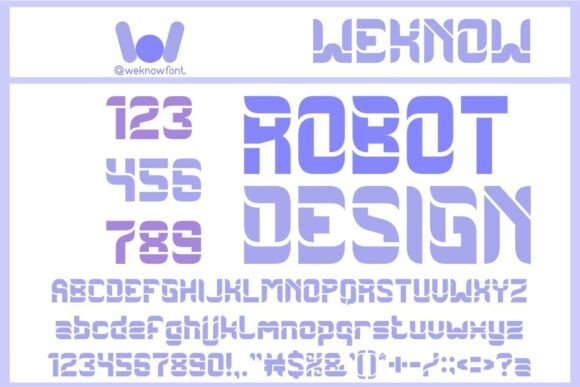
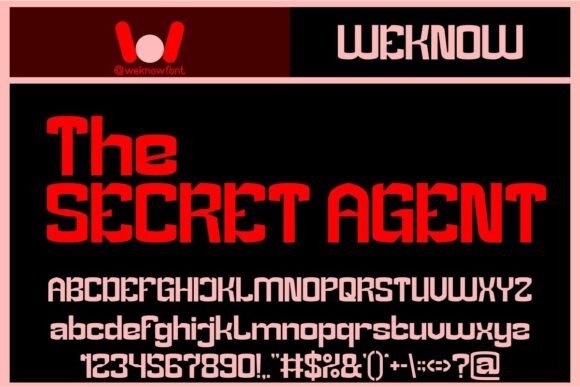
Imagine a typeface that feels like it was pulled from a retro-futuristic movie poster—one that blends the bold, blocky confidence of mid-century design with the sleek, rounded edges of a spacecraft cockpit. That’s the energy of The Secret Agent. It’s not just another display font; it’s a visual personality with squared shoulders, unique joins, and a consistent stroke weight that commands attention without shouting. For designers and creators looking to inject a distinctive, future-retro vibe into their work, this typeface offers a surprisingly versatile toolkit.
Visual Character: Where Blocky Meets Sleek
At first glance, The Secret Agent presents a fascinating tension. The foundation is undeniably blocky and squared, giving it a sturdy, reliable feel. But those sharp corners are softened by carefully executed rounded cuts, introducing a sense of approachability and modern flair. The consistent stroke weight throughout the letterforms ensures it remains highly legible even at smaller sizes—a common challenge with many decorative display fonts. This balance makes it feel both authoritative and friendly, a rare combination that works across a wide range of applications.
The "unique joins" mentioned in its description are worth noting. Instead of standard connections between strokes, The Secret Agent employs subtle design choices that give it a custom, almost hand-crafted quality. These details prevent it from feeling generic or mass-produced, which is a huge asset when you’re trying to build a memorable brand identity. It’s the kind of font that looks like it was designed specifically for a project, not just downloaded from a generic library.
Practical Applications: From Logos to Social Media
So, where does a font like this actually shine? The beauty of The Secret Agent is its chameleon-like ability to adapt. Because of its clean, squared structure, it remains surprisingly readable in contexts where many display fonts fail. Let’s break down some real-world uses.
For logo design and brand identity, this typeface is a natural fit. Its distinctive shape ensures a logo will stand out in a crowded marketplace, especially for brands in tech, gaming, entertainment, or any field wanting to project innovation with a nostalgic twist. Think of a indie game studio, a retro-themed podcast, or a modern apparel brand that plays with vintage sci-fi aesthetics. The Secret Agent provides that instant visual hook.
In packaging and merchandise, its bold presence ensures product names jump off the shelf. Whether it’s on a coffee bag, a t-shirt, or a poster for a music festival, the font’s personality carries the design. It’s particularly effective for limited-edition runs or special collaborations where a unique visual signature is key.
Digital spaces are another strong suit. For social media graphics—think Instagram carousels, YouTube thumbnails, or Twitter headers—the font’s high-impact style grabs scrolling attention. Its consistency makes it excellent for creating a cohesive series of posts or a recognizable template for your content. On websites and blogs, it can be used strategically for hero sections, call-to-action buttons, or article titles to inject energy without compromising the overall user experience when paired with a simpler body font.
Don’t overlook print and editorial design. Magazine covers, book titles, comic book lettering, and event posters can all benefit from its futuristic yet familiar aesthetic. It’s a font that tells a story before the reader even processes the words.
Integrating The Secret Agent into Your Workflow
Knowing a font looks cool is one thing; knowing how to use it effectively is another. Here’s some practical advice for integrating a characterful display font like this into your projects.
Pairing is everything. A strong display font needs a supporting cast. For body text, pair The Secret Agent with a clean, neutral sans-serif like Inter or Open Sans. For a more editorial or luxurious feel, a classic serif like Garamond or Lora can create a beautiful contrast. The key is to let The Secret Agent be the star in headlines and logos, while the secondary font handles the heavy lifting of paragraphs.
Context is key. Always consider your audience and medium. While it’s perfect for a movie poster or a tech startup’s landing page, it might be too stylized for a formal corporate report or a children’s book. Test it at the intended size and in the final environment—what looks great in a design file might need kerning adjustments when printed on textured paper or viewed on a mobile screen.
Explore the full family. A quality premium font often includes multiple styles—bold, italic, condensed, or alternate characters. Check what’s included with The Secret Agent. Using different weights can create hierarchy and visual interest within a single project, maintaining consistency while adding dynamism.
Licensing matters. If you’re using this for commercial work—a client’s logo, merchandise for sale, or a paid digital product—ensure you have the correct commercial license. This protects both you and the font designer. It’s a small but crucial step in professional practice.
Ultimately, The Secret Agent is more than just a set of glyphs. It’s a design asset that carries a specific mood: innovation, adventure, and a touch of retro cool. By understanding its visual strengths and applying it thoughtfully, you can leverage this typeface to create work that feels both unique and strategically sound. It’s about giving your project a voice that’s as confident and distinctive as the ideas behind it.