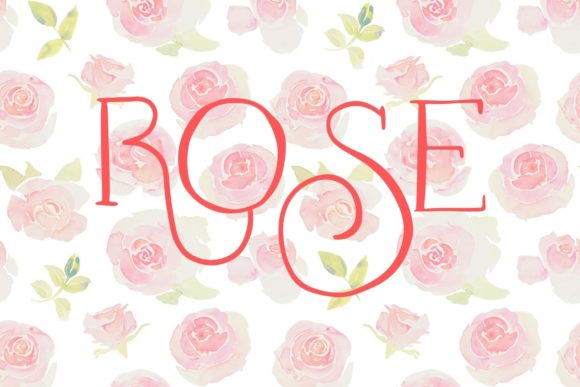
Rose: A Font That Brings a Smile to Your Designs
There's a particular kind of magic in a design that feels instantly welcoming. You see it in a bakery logo that looks handwritten with care, or in a social media graphic that pops with personality. Often, that feeling starts with the typography. A font like Rose is built for exactly that—a cute and jolly display font designed to inject warmth, friendliness, and a touch of playful charm into a wide range of creative projects. It’s not just another typeface; it’s a tool for setting a specific, positive mood right from the first glance.
More Than Just Pretty Letters: Understanding the Font's Character
What makes a font feel "jolly"? In the case of Rose, it's a combination of visual traits that work together. Imagine rounded terminals that soften every character, subtle curves that give letters a gentle bounce, and a balanced weight that’s bold enough to be noticed without feeling heavy. This isn’t a stark, corporate sans serif or an overly formal serif font. It’s a display font in the truest sense, meant for headlines, logos, and places where you need to make a clear emotional statement. Its aesthetic leans into a modern typography sensibility while retaining a handmade, approachable quality. Think of it as the typographic equivalent of a friendly smile or a colorful, inviting illustration.
This character makes it a particularly effective creative font for projects targeting audiences who appreciate warmth and authenticity. It’s less about imposing authority and more about building connection. For a brand identity, choosing Rose signals that your business or project is accessible, creative, and perhaps a little bit fun. It’s a deliberate choice to step away from cold minimalism and embrace a more human-centered visual language.
Where This Font Truly Shines: Practical Applications
The versatility of a well-designed display font is one of its greatest assets. Rose isn’t a one-trick pony; its cheerful demeanor adapts beautifully across different mediums, each time enhancing the project’s core message.
- Logo Design & Brand Identity: This is where Rose can become the cornerstone of a visual identity. For a children’s boutique, a café, a personal blog, a podcast, or a handmade goods shop, a logo set in Rose immediately communicates warmth and creativity. It works beautifully as a primary logotype or as a complementary headline font paired with a simpler sans serif for body text.
- Packaging Design: On a shelf or in an online store, packaging needs to tell a story fast. Using Rose on product labels for artisanal foods, cosmetics, or craft kits can make the item feel special, handmade, and joyful. It helps a product stand out by feeling personal rather than mass-produced.
- Social Media & Digital Content: In the fast-scrolling world of Instagram, TikTok, or YouTube, a strong visual hook is everything. Rose is perfect for creating eye-catching social media graphics, story highlights, video thumbnails, and even channel branding. Its readability at smaller sizes makes it practical for captions or quotes, ensuring your key messages are both seen and felt.
- Print & Editorial: Don’t limit it to the screen. Rose brings life to editorial design in magazines, book covers (especially in children’s, romance, or lifestyle genres), and comics. It’s also an excellent choice for event invitations, greeting cards, and posters where you want to convey excitement and celebration.
- Web Design & Blogging: While not a body text font, Rose is a star player for website headers, hero section titles, and blog post headings. It can break the monotony of a standard layout, drawing the reader’s eye and setting a welcoming tone for your entire site. Paired with a clean, readable font for paragraphs, it creates a dynamic and engaging typographic hierarchy.
- Merchandise & Marketing: From T-shirts and tote bags to stickers and digital planners, Rose adds a desirable aesthetic to design assets. Its friendly appearance makes it ideal for merchandise that people want to wear or use, effectively turning customers into brand ambassadors.
Making It Work: Smart Typography in Practice
Having a great font is the first step; using it effectively is what brings a project together. Here’s how to integrate a font like Rose thoughtfully into your workflow.
Pairing is Key. A display font like Rose is the star, but every star needs a supporting cast. Pair it with a highly legible sans serif font or a clean serif font for longer blocks of text. The contrast ensures your headlines pop while your body copy remains easy to read. For example, a pairing of Rose with a font like Open Sans or Lora creates a beautiful balance between personality and professionalism.
Test for Readability. Always test your chosen font in context. How does Rose look on a mobile screen? Is it clear when printed small on a business card? While it’s designed for display, ensuring clarity at various sizes is part of good web design and print practice. Check that the letters are distinct, especially in common words and phrases relevant to your project.
Explore the Included Styles. A good premium font often comes with more than one weight. Rose might include regular, bold, or even a slightly different stylistic set. Using these variations allows for more nuanced typographic design within the same font family, maintaining consistency while adding visual interest. Review what’s included in the package to get the most out of your asset.
Align with Your Goals. Ask yourself what emotion or message you need to convey. If your project requires a sense of elegance, tradition, or serious authority, Rose might not be the right fit. But if your goal is to communicate joy, approachability, and creativity, it’s a powerful choice. This alignment between typography and project goal is fundamental to effective visual communication.
Consider the License. Finally, for any commercial project—whether it’s for a client, your own business, or merchandise you plan to sell—always confirm the font’s licensing. Using a properly licensed commercial font like Rose protects you legally and supports the type designers who create these valuable tools. It’s a professional practice that ensures your creative work rests on a solid foundation.
In the end, selecting a font is a creative decision with practical implications. Rose offers a distinct voice—a visual shorthand for positivity and charm. By understanding its character and applying it thoughtfully across your brand identity, packaging design, and digital presence, you can create a cohesive and engaging experience that resonates with your audience and makes your work stand out with genuine warmth.