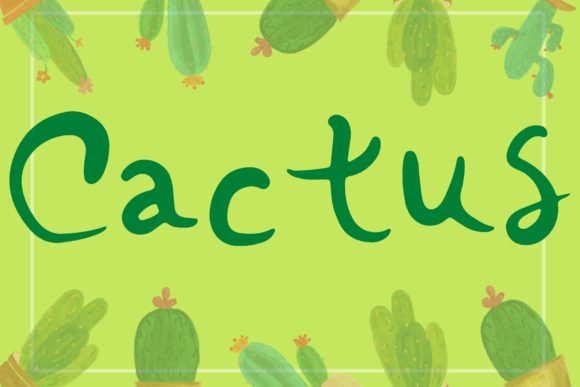
Cactus Font: A Playful Typeface for Modern Brands
There’s a certain energy that comes with finding the right typeface. It’s that feeling when the letters on your screen don’t just spell out a word—they embody a feeling. If your project needs a dose of cheerfulness, approachability, and undeniable charm, the Cactus font is a design asset that deserves your attention. It’s more than just a collection of glyphs; it’s a visual voice that speaks directly to a modern, creative audience.
Understanding the Cactus Aesthetic
At its core, Cactus is a display font designed to capture attention. Unlike neutral sans-serifs or traditional serifs that blend into the background, this typeface steps into the spotlight with its friendly, rounded forms and jolly character. Think of it as the typographic equivalent of a warm smile or a perfectly curated Instagram feed—it immediately puts the viewer at ease. Its design philosophy leans heavily into modern typography trends, favoring bold strokes and slightly condensed proportions that give text a substantial presence without feeling heavy or cluttered.
What makes Cactus visually appealing is its balance. It manages to be playful without tipping into childish territory. The curves are soft, the terminals are rounded, and the overall rhythm feels upbeat. This makes it an incredibly versatile creative font. It can feel cozy and artisanal for a small-batch candle brand, or it can feel tech-savvy and energetic for a mobile app interface. The visual personality is adaptable, which is a rare and valuable quality in a display typeface.
Practical Applications: Where Cactus Truly Shines
The true test of any font is how it performs in the real world. A typeface might look beautiful in a specimen sheet, but how does it hold up on a crowded website header or a small product label? Cactus excels in high-impact, low-word-count environments where personality is paramount.
Brand Identity and Logo Design: If you are building a brand from scratch, the logo is your handshake. Cactus is an excellent choice for logotypes, especially for businesses in the lifestyle, wellness, food, or creative agency sectors. Its distinct shape ensures that the brand name is memorable. For a coffee shop or a boutique clothing line, this font communicates a modern, approachable vibe that invites customers in.
Digital Presence and Social Media: In the fast-scrolling world of social media, you have milliseconds to stop a thumb. Cactus works beautifully for Instagram graphics, YouTube thumbnails, and website headers. Its bold structure ensures readability even on small mobile screens. When used for headlines on a blog or a digital magazine, it breaks up the monotony of standard text, guiding the reader’s eye and increasing engagement.
Physical Products and Merchandise: Packaging design relies heavily on typography to convey the product's quality. Imagine Cactus on a tote bag, a coffee mug, or the header of a menu. It has the kind of sturdy, graphic quality that translates well to screen printing and merchandise. It feels tactile and authentic, making it ideal for the apparel industry or poster design where the text is part of the art.
Strategic Typography: Building Consistency and Trust
Using a font like Cactus is a strategic decision that impacts your entire visual communication strategy. When you choose a typeface with a strong personality, you are setting a tone for your brand identity. However, the goal is to be distinct, not distracting.
One of the biggest challenges in design is maintaining visual consistency across different platforms. A marketing email should feel related to the Instagram ad, which should feel related to the physical packaging. By standardizing your headers and key call-to-action text with Cactus, you create a visual thread that ties your assets together. This consistency builds brand recognition; over time, your audience will start to associate that specific typographic style with your business.
However, personality needs to be paired with professionalism. While Cactus is great for headlines, it is not designed for long-form body copy. For a 500-word blog post or a detailed product description, you need a typeface optimized for readability at smaller sizes—typically a clean sans-serif or a classic serif font. The magic happens in the pairing. Using Cactus for your H1 and H2 headers, combined with a neutral font for the body text, creates a hierarchy that is both beautiful and functional.
Technical Considerations and Font Pairings
Before committing to any premium font for a commercial project, it is essential to look under the hood. A high-quality font file ensures that your designs render correctly across different browsers and operating systems.
When working with Cactus, consider the included font styles. Does the family come with bold or italic variations? Having multiple weights allows you to create emphasis and hierarchy without introducing a third typeface into the mix. For example, you might use Cactus Bold for a main headline and Cactus Regular for a sub-headline, maintaining a cohesive look.
Pairing is where the design comes to life. Because Cactus has rounded, friendly features, it pairs exceptionally well with:
- Geometric Sans-Serifs: Fonts like Montserrat or Poppins complement the modern feel of Cactus without competing for attention.
- Simple Serifs: A clean serif like Lora or Merriweather can add a touch of editorial elegance to balance the playfulness of the display font.
- Monospaced Fonts: For a more tech-oriented or retro vibe, pairing Cactus with a clean monospace font can create an interesting contrast.
Always test your pairings in context. Don't just look at the letters "Aa" on a white background. Mock up a business card, a mobile website header, or an Instagram story. Check the spacing (kerning and tracking) to ensure the letters breathe well. Good typography is about the details.
Navigating Licensing for Creative Projects
One aspect of design that is often overlooked until the last minute is licensing. If you are using Cactus for a client project, a product you intend to sell, or marketing materials, you need to ensure you have the correct commercial license.
Free fonts are tempting, but they often come with restrictions that can cause legal headaches later. A reputable premium font usually comes with clear licensing terms that allow you to use the typeface in digital and print media. Always review the End User License Agreement (EULA). Does it cover web embedding? Can you use it on unlimited merchandise? Understanding these terms protects your business and ensures that your brand assets are legally sound.
Final Thoughts on Implementation
Choosing a font is an act of curation. It requires you to step back and ask: Who am I speaking to, and what do I want them to feel? Cactus answers that question with optimism and clarity. It is a tool for creators who want to inject life into their designs, whether they are building a startup, launching a podcast, or designing a comic book.
Don't be afraid to experiment. Try it in uppercase for a bold statement, or in lowercase for a softer, friendlier vibe. Adjust the letter spacing to change the texture of your text block. When you find that perfect balance—where the typography supports your message rather than overshadowing it—you’ll know you’ve made the right choice. For projects that demand creativity and warmth, this typeface is a solid, reliable companion.