Why Recognition Is the Font Your Next Project Demands
There’s a specific kind of energy that a project gets when the typography is just right. It’s the difference between a logo that feels static and one that pulses with intention, between a social media post that gets scrolled past and one that stops the thumb. You’ve felt it before—that instant alignment between a visual and its message. That’s the space where Recognition lives. This isn't just another display font; it's a visual shorthand for modernity, impact, and clarity, engineered for the noise of the digital and physical worlds we design for every day.
A Typeface with a Pulse: The Visual DNA of Recognition
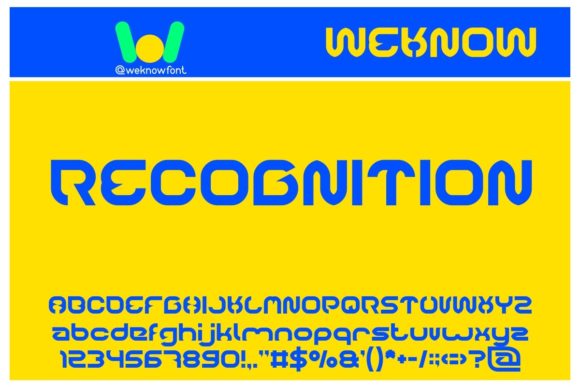
At its core, Recognition is a techno display font, but that label barely scratches the surface. Imagine the clean, geometric confidence of a sans serif, then infuse it with subtle, almost imperceptible curves and a dynamic forward motion. It’s structured but not rigid, futuristic without being cold. The letterforms are designed with a high degree of visual distinctiveness—each character is instantly recognizable, which is, of course, in the name. This is a typeface that doesn’t whisper; it speaks with authority, but in a clear, articulate voice.
The beauty lies in its versatility within that bold statement. It can read as sleek and corporate for a fintech startup, or edgy and avant-garde for an electronic music label. It carries the weight needed for a poster headline but the precision for a logotype on a business card. This chameleon-like quality comes from its balanced proportions and open counters (the spaces inside letters like 'e' or 'a'), which prevent it from feeling clunky even at large sizes. It’s a premium font that earns its place in your toolkit by solving multiple visual problems with a single, cohesive voice.
From Brand Identity to the Bottom of a Coffee Cup: Practical Applications
Let’s talk about where Recognition actually works, moving beyond the style guide and into the real world of deliverables.
- Logo & Brand Identity Systems: This is where Recognition truly shines. Its inherent memorability is a massive asset for any brand identity project. Think of a tech company needing a wordmark that feels innovative and reliable, or a fashion brand targeting a youthful, urban demographic. The font’s strong personality builds instant recognition (the concept, not just the name) from the first glance. It forms a solid foundation for a full brand identity, easily extending to business cards, letterheads, and presentation templates.
- Packaging and Merchandise: On a shelf crowded with script fonts and serifs, a product using Recognition will stand out. It’s perfect for packaging design that needs to communicate modernity—think cosmetic lines, specialty beverages, or gourmet snacks. For merchandise like apparel, its bold strokes translate beautifully to screen printing and embroidery, ensuring your message on a t-shirt or tote bag is legible and stylish from a distance.
- Digital Dominance: Websites, Social, and Video: In the fast-paced realm of web design and social media graphics, clarity is king. Recognition excels here. Use it for hero section headlines on your website to set an immediate tone. For Instagram posts or YouTube thumbnails, its high-contrast letterforms pop against busy backgrounds and remain readable even on small mobile screens. It’s a creative font that adds serious professional polish to any digital product or marketing asset.
- Print with Punch: Posters, Editorial, and Invitations: Don’t relegate it to the screen. Recognition makes a powerful statement in print. Event posters, magazine covers, and editorial layouts benefit from its commanding presence. For invitations to product launches, gallery openings, or modern weddings, it sets a sophisticated yet contemporary mood. It’s the kind of typeface that makes a printed piece feel considered and intentional.
Beyond Looks: How Strategic Typography Builds Your Brand
Choosing a font like Recognition isn’t just an aesthetic decision; it’s a strategic one that directly impacts key business and design outcomes.
Visual Consistency Across Touchpoints: One of the biggest challenges for any brand is maintaining a consistent look. Using a single, versatile display font for all major headlines—from your website to your Instagram stories to your printed flyers—creates an immediate visual throughline. Recognition provides that anchor. Your audience starts to associate that specific typographic voice with your brand, subconsciously building familiarity and trust.
Enhancing Readability in the Right Context: A common misconception is that display fonts sacrifice readability for style. While Recognition isn’t meant for body copy (that’s the job of a good serif or sans serif), it is meticulously crafted for headline legibility. The clear distinction between similar characters (like 'I' and 'l') and its open shapes ensure that your key messages are absorbed instantly, which is critical for posters, logos, and social graphics where you have a split second to communicate.
Projecting a Professional Presentation: Nothing undermines a great idea like poor execution. Pairing a thoughtful concept with a generic or mismatched font can make a project feel amateur. Recognition acts as a design asset that elevates the entire composition. It signals that you’ve paid attention to the details, which reflects directly on the perceived quality of your product, service, or content. It’s the typographic equivalent of a firm handshake.
Putting Recognition to Work: A Practical Guide for Designers and Creators
So, you’re sold on the idea. How do you actually implement it effectively? Here’s some actionable advice.
Review the Full Character Set: Before you commit, explore every glyph. A quality font like this often includes stylistic alternates, ligatures, and a robust set of numerals and punctuation. These extras are gold for customization. Maybe an alternate 'a' or 'g' better suits your logo’s flow, or a special ligature creates a unique mark for your brand. Knowing what’s available turns a good font into a perfect one.
Master the Art of Font Pairing: Recognition is a star player, but it needs a supporting cast. Its bold, techno personality pairs exceptionally well with neutral, highly legible sans serifs for body text (think fonts like Inter, Roboto, or Open Sans). For a more dynamic contrast, you could try pairing it with a clean, geometric serif. The key is to let Recognition own the headlines while the secondary font handles the dense information, creating a clear visual hierarchy.
Always Test in Context: Never design in a vacuum. Set your chosen font at the actual size and in the actual environment it will live in. View your logo mockup on a phone screen. Print your poster headline at full scale. Check the contrast of your social media graphic on both a dark and light mode. This real-world testing is non-negotiable for ensuring your typographic choices work not just in theory, but in practice.
Understand the License: For any commercial project—whether it’s a client’s brand, your own online store, or monetized content—ensure you have the correct commercial license. This protects you legally and supports the type designers who create these essential tools. A premium font is an investment in your project’s professional standing.
Ultimately, Recognition is more than a collection of vector paths. It’s a tool for communication, a catalyst for brand building, and a way to inject your projects with a specific, contemporary confidence. It solves the perennial designer’s dilemma of finding a typeface that is both striking and functional, memorable and versatile. The next time you’re facing a blank artboard, consider what a font with this much inherent presence could do for your message. It might just be the recognition your work deserves.